 Halal Check
Is gelatin halal? What the label does and doesn't tell you
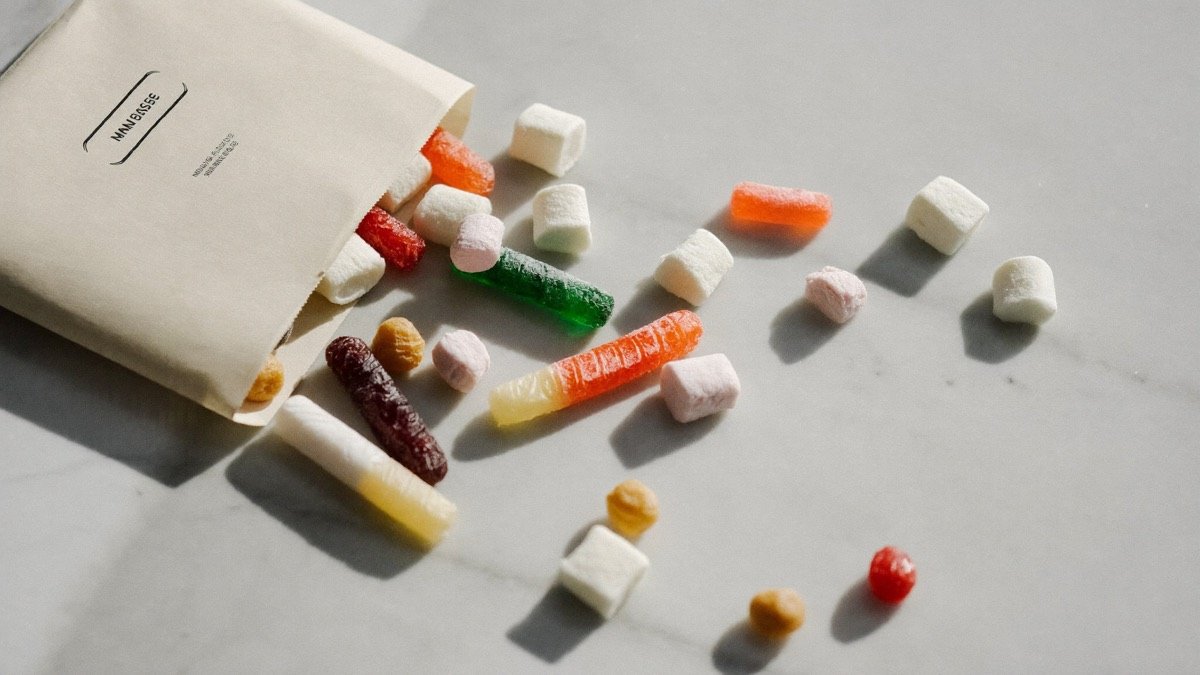
Gelatin is the single most asked-about ingredient in halal food, and for a good reason: it is everywhere, it is almost never described, and its status depends entirely on something the label usually omits — what animal it came from.
What gelatin actually is
Gelatin is collagen extracted from animal skin, bone or connective tissue, then purified and dried. It is not a flavour or a preservative; it is a texture. That is why it turns up in products that have nothing obvious in common: sweets, marshmallows, yoghurts, mousses, some cheeses, capsule shells, and even as a clarifying agent in fruit juice, where it does not appear on the final label at all.
Three possible sources, one word on the label
| Source | How common | What it means for you |
|---|---|---|
| Pork | The majority of gelatin produced worldwide | Impermissible by consensus |
| Cattle | Widely used, especially where pork is avoided | Depends on the slaughter — this is where opinions differ |
| Fish | A minority, usually stated proudly when used | Generally accepted, and almost always advertised |
A label that says only gelatin, or only E441, tells you none of this. The rule of thumb that actually works: if a manufacturer uses fish or certified bovine gelatin, they say so, because it is a selling point. Silence is not proof of pork, but it is a reason to check.
Where the disagreement sitsScholars broadly agree that pork gelatin is impermissible and that gelatin from a properly slaughtered animal is permissible. The live question is istihala — whether the chemical transformation from hide to gelatin changes the ruling. Positions differ, and this page does not resolve them. If that question matters to your practice, it is one for a scholar you trust, not for an app.
Reading around gelatin
Several names describe the same family or sit next to it:
- E441 — the European code for gelatin. Same substance, shorter to print.
- Hydrolysed collagen — gelatin broken down further, common in supplements and drinks.
- Bovine gelatin — from cattle. Tells you the animal, not the slaughter.
- Porcine gelatin — from pigs. Rare on a label precisely because it is unambiguous.
- Gelling agent — a category, not an ingredient. Could be gelatin, could be pectin, agar or carrageenan, all of which are plant-derived.
The plant alternatives, so you recognise a safe product
When a product gels without gelatin, it usually uses one of these — and all are plant or algae derived:
- Pectin (E440) — from fruit. Very common in jams and fruit sweets.
- Agar-agar (E406) — from seaweed.
- Carrageenan (E407) — from red algae.
- Starch and gum arabic (E414) — used for chewy textures.
Seeing any of these instead of gelatin is a good sign, and it is often faster to look for them than to hunt for what is absent.
How to settle it for a specific product
- Look for a stated source. "Fish gelatin", "bovine gelatin", a halal certification mark. Manufacturers advertise these.
- Look for a plant gelling agent in the list. If pectin or agar is there, gelatin usually is not.
- Check the same brand in another country. Recipes are regional; the same sweet can use pork gelatin in one market and fish in another.
- Ask the manufacturer. Customer services answer this question constantly and usually know the answer precisely.
- Prefer certified products where the question matters to you. A certification looks at the supply chain; a label cannot.
What an app can and cannot do hereScanning a barcode reads the published ingredient list and flags gelatin instantly, which saves the search. It cannot tell you which animal the gelatin came from when the manufacturer has not written it down — and an app that claims otherwise is guessing. The useful answer on those products is "gelatin present, source not stated", which tells you exactly what to ask.
The short version
Gelatin is an animal product whose acceptability depends on a detail most labels leave out. Treat an unqualified "gelatin" or "E441" as a question rather than an answer, learn to spot the plant gelling agents that replace it, and keep certification as the authority for anything that matters.
Keep reading
E-numbers and halal: the additives worth knowing
E471, E120, E631, E904: which codes can be animal-derived, and which never are.
Read the guide
5 best halal food scanner apps in 2026
What separates a useful halal scanner from a guessing machine — ours included, weaknesses and all.
Read the comparison